How Media Shapes Body Image and Beauty Standards
In today's world, media plays a pivotal role in shaping our perceptions of beauty and body image. From glossy magazine covers to viral social media posts, the images we consume can significantly influence how we view ourselves and others. This blog post explores the intricate relationship between media, body image, and beauty standards, shedding light on the implications for individuals and society as a whole.
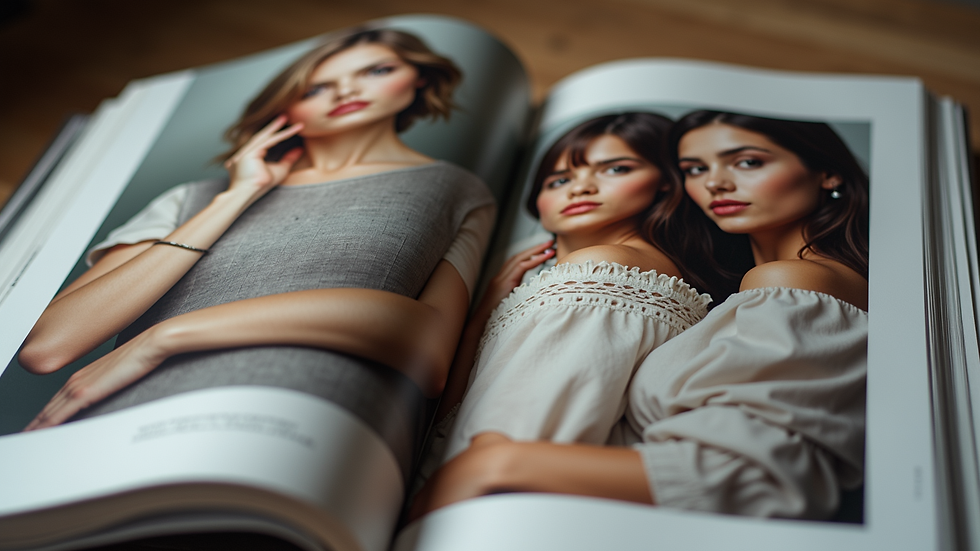
The Power of Media in Defining Beauty
Media has an undeniable influence on our understanding of beauty. Historically, beauty standards have evolved, but the media has always been at the forefront of defining what is considered attractive.
Historical Context
In the past, beauty standards were often dictated by cultural norms and societal expectations. For example, during the Renaissance, fuller figures were celebrated as symbols of wealth and fertility. Fast forward to the late 20th century, and we see a shift towards thinner body types, largely influenced by fashion magazines and Hollywood.
The Role of Advertising
Advertising has played a crucial role in shaping beauty ideals. Brands often use models who fit a narrow definition of beauty, which can perpetuate unrealistic standards. For instance, the prevalence of airbrushed images in advertisements can create a false sense of what is attainable.
Social Media's Impact
With the rise of social media, the landscape of beauty standards has changed dramatically. Platforms like Instagram and TikTok allow individuals to curate their images and share them with a global audience. While this can promote diversity, it can also lead to the reinforcement of harmful beauty ideals.
The Psychological Effects of Media on Body Image
The constant exposure to idealized images can have profound psychological effects on individuals, particularly young people.
Body Dissatisfaction
Research shows that exposure to idealized body images can lead to body dissatisfaction. A study published in the journal Body Image found that women who viewed images of thin models reported feeling worse about their own bodies. This dissatisfaction can lead to unhealthy behaviors, such as disordered eating or excessive exercise.
The Comparison Trap
Social media often fosters a culture of comparison. Users may find themselves comparing their bodies to those they see online, leading to feelings of inadequacy. This phenomenon is particularly prevalent among adolescents, who are still developing their self-identity.
Mental Health Implications
The impact of media on body image is not just superficial; it can also affect mental health. Studies have linked negative body image to increased rates of anxiety, depression, and low self-esteem. The pressure to conform to beauty standards can create a cycle of self-criticism and emotional distress.
Challenging Beauty Standards in Media
Despite the negative effects of media on body image, there is a growing movement to challenge traditional beauty standards.
The Rise of Body Positivity
The body positivity movement advocates for the acceptance of all body types, promoting the idea that beauty comes in many forms. Social media influencers and activists are using their platforms to celebrate diversity and challenge the narrow definitions of beauty often portrayed in mainstream media.
Representation Matters
Increasing representation of diverse body types, ethnicities, and genders in media is crucial. When individuals see themselves reflected in media, it can foster a sense of belonging and acceptance. Brands that embrace diversity in their advertising campaigns are not only promoting inclusivity but also appealing to a broader audience.
The Role of Education
Education plays a vital role in helping individuals navigate media messages. Teaching media literacy can empower people to critically analyze the images they encounter and understand the impact of media on body image. Schools and community programs can incorporate discussions about beauty standards and self-acceptance to foster resilience among young people.
Practical Tips for Navigating Media Influence
While it may be challenging to escape the influence of media entirely, there are practical steps individuals can take to mitigate its impact on body image.
Curate Your Feed
Take control of your social media experience by curating your feed. Follow accounts that promote body positivity, diversity, and self-acceptance. Unfollow accounts that make you feel inadequate or promote unrealistic beauty standards.
Practice Self-Compassion
Cultivating self-compassion can help counteract negative feelings about body image. Remind yourself that everyone has flaws and that beauty is subjective. Engage in positive self-talk and focus on your strengths rather than your perceived shortcomings.
Limit Media Consumption
Consider limiting your exposure to media that promotes unrealistic beauty ideals. This might mean reducing time spent on social media or avoiding certain magazines and television shows. Instead, seek out content that uplifts and inspires you.
The Future of Beauty Standards in Media
As society becomes more aware of the impact of media on body image, there is hope for a shift in beauty standards.
The Role of Brands
Brands have a responsibility to promote realistic and diverse representations of beauty. By featuring models of various sizes, ages, and backgrounds, they can contribute to a more inclusive narrative. This shift not only benefits consumers but can also enhance brand loyalty and trust.
The Influence of Technology
Advancements in technology, such as augmented reality and artificial intelligence, are changing how we interact with media. These tools can be used to create more inclusive and diverse representations of beauty, allowing individuals to see themselves in a variety of contexts.
Community Support
Building supportive communities can help individuals navigate the challenges posed by media influence. Online forums, support groups, and workshops can provide safe spaces for individuals to share their experiences and foster a sense of belonging.
Conclusion
Media has a profound impact on body image and beauty standards, shaping how we perceive ourselves and others. While the influence of media can lead to negative outcomes, there is a growing movement towards inclusivity and acceptance. By challenging traditional beauty standards, promoting diversity, and fostering self-compassion, we can create a healthier relationship with our bodies and the media we consume.
As we move forward, it is essential to remain vigilant about the messages we encounter and to support one another in embracing our unique beauty. Together, we can redefine beauty standards and cultivate a culture of acceptance and love.
Comments