Understanding Body Image Through Mass Media Analysis
Body image is a complex and multifaceted issue that affects individuals across all demographics. In today's society, mass media plays a significant role in shaping our perceptions of beauty, self-worth, and identity. This blog post will explore how mass media influences body image, the implications of these influences, and ways to foster a healthier relationship with our bodies.
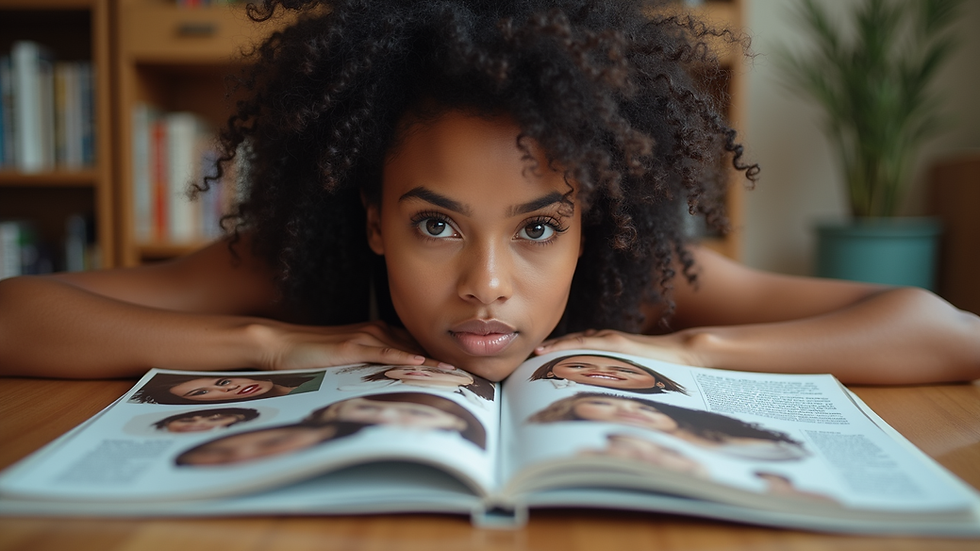
The Role of Mass Media in Shaping Body Image
Mass media encompasses various forms of communication, including television, film, print, and digital platforms. Each of these mediums contributes to the societal standards of beauty and body image. Here are some key ways mass media influences body image:
Representation and Diversity
Historically, mass media has often portrayed a narrow definition of beauty, primarily showcasing thin, young, and predominantly white individuals. This lack of diversity can lead to feelings of inadequacy among those who do not fit this mold. However, recent years have seen a shift towards more inclusive representation.
Positive Examples: Campaigns like Dove's "Real Beauty" and brands like Aerie have embraced body positivity by featuring models of various sizes, ages, and ethnicities. These initiatives help challenge traditional beauty standards and promote acceptance of all body types.
The Impact of Social Media
Social media platforms have revolutionized how we consume content and interact with one another. While they can provide a space for self-expression and community, they also perpetuate unrealistic beauty standards.
Curated Lives: Users often share edited and filtered images, creating a distorted perception of reality. This can lead to comparison and dissatisfaction with one's own appearance.
Influencer Culture: Influencers often promote specific beauty ideals, which can further entrench harmful stereotypes. However, some influencers are using their platforms to advocate for body positivity and self-acceptance.
Advertising and Marketing
Advertising plays a crucial role in shaping our perceptions of beauty. The images and messages conveyed in advertisements can significantly influence how we view ourselves and others.
Idealized Images: Many advertisements feature digitally altered images that present an unattainable standard of beauty. This can lead to negative body image and self-esteem issues among consumers.
Shifting Trends: Some brands are beginning to use unretouched images and promote authenticity in their marketing. This shift can help foster a more realistic understanding of beauty.
The Psychological Effects of Body Image Issues
The impact of mass media on body image is not just superficial; it can have profound psychological effects. Here are some common issues associated with negative body image:
Low Self-Esteem
Individuals who struggle with body image issues often experience low self-esteem. This can manifest in various ways, including:
Social Withdrawal: People may avoid social situations due to feelings of inadequacy.
Mental Health Issues: Negative body image is linked to anxiety, depression, and eating disorders.
Body Dysmorphic Disorder
For some, negative body image can escalate into body dysmorphic disorder (BDD), a mental health condition characterized by an obsessive focus on perceived flaws in appearance. This can lead to:
Compulsive Behaviors: Individuals may engage in excessive grooming or seek cosmetic procedures to "fix" their perceived flaws.
Isolation: BDD can cause individuals to withdraw from social interactions, further exacerbating feelings of loneliness and despair.
Strategies for Promoting a Positive Body Image
While mass media can have detrimental effects on body image, there are several strategies individuals and communities can adopt to promote a healthier relationship with their bodies.
Media Literacy
Developing media literacy skills can empower individuals to critically analyze the content they consume. This includes:
Recognizing Manipulation: Understanding that many images are altered can help individuals resist the urge to compare themselves to unrealistic standards.
Seeking Diverse Representation: Actively seeking out media that showcases a variety of body types can help foster acceptance and appreciation for diversity.
Building a Supportive Community
Surrounding oneself with supportive individuals can significantly impact body image. Here are some ways to cultivate a positive environment:
Encouraging Open Dialogue: Discussing body image issues openly can help normalize these conversations and reduce stigma.
Promoting Body Positivity: Engaging with communities that celebrate body diversity can provide a sense of belonging and acceptance.
Practicing Self-Compassion
Self-compassion involves treating oneself with kindness and understanding, especially during times of struggle. Here are some practical tips:
Mindfulness Practices: Engaging in mindfulness can help individuals become more aware of negative self-talk and replace it with positive affirmations.
Gratitude Journaling: Keeping a journal to reflect on what one appreciates about their body can shift focus from perceived flaws to strengths.
Conclusion
Understanding body image through the lens of mass media analysis reveals the profound impact that media representations can have on our self-perception. By recognizing the influence of mass media, promoting diverse representations, and fostering supportive communities, we can work towards a healthier relationship with our bodies.
As we navigate a world filled with images and messages about beauty, it is essential to remember that every body is unique and worthy of love and acceptance. Let us challenge the status quo and embrace the beauty of diversity in all its forms.
Comments